The beauty industry has always thrived on transformation, both literal and metaphorical. From skincare routines to makeup trends, consumers constantly seek ways to reinvent themselves. One of the most dramatic forms of personal transformation is changing hair color. However, the risks associated with dyeing—allergic reactions, chemical damage, or simply ending up with a shade that doesn’t suit you—have long been a deterrent. Enter the Hair Color Revolution, where virtual try-on technology is reshaping the way people experiment with hair color, minimizing risks and maximizing satisfaction.
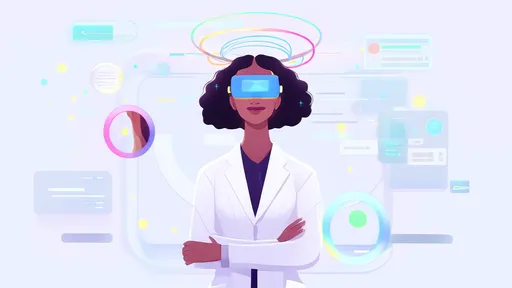
Virtual try-on technology isn’t entirely new; it’s been a staple in makeup and eyewear for years. But its application in hair color has reached unprecedented sophistication. Advanced algorithms now analyze facial features, skin tone, and even personal style to suggest shades that complement the individual. Augmented reality (AR) allows users to see how a particular hue would look in different lighting conditions, from natural daylight to dim evening settings. This leap in technology means consumers can make informed decisions without ever touching a bottle of dye.
The psychological impact of this innovation cannot be overstated. For many, dyeing hair is an emotional journey tied to self-expression or a desire for change. The fear of a botched result—whether due to a mismatched shade or an allergic reaction—often holds people back. Virtual try-on tools alleviate this anxiety by offering a risk-free way to experiment. Users can toggle between bold fashion colors and subtle highlights, comparing dozens of options before committing. This not only boosts confidence but also reduces the likelihood of post-dye regret.
Beyond individual consumers, the technology is a game-changer for salons and hairstylists. Professionals can use these tools during consultations to bridge the gap between client expectations and achievable results. Instead of relying on vague descriptions or outdated color swatches, stylists can showcase realistic simulations, ensuring both parties are aligned before the chemical process begins. This transparency fosters trust and reduces the rate of corrective appointments, saving time and resources for both clients and salons.
From a health perspective, virtual try-on technology indirectly mitigates the risks of allergic reactions. While it doesn’t replace patch tests—a critical step for those with sensitivities—it discourages impulsive dyeing decisions. Users who might have otherwise purchased a box dye on a whim are now more likely to research and select products thoughtfully. Additionally, some platforms integrate ingredient analysis, flagging potential allergens based on user-reported sensitivities. This added layer of safety empowers consumers to make choices that align with their health needs.
The environmental benefits of this trend are also noteworthy. The hair care industry generates significant waste, from discarded dye boxes to excess product. By reducing the frequency of color corrections and failed experiments, virtual try-on technology contributes to a decrease in product consumption. Some brands are taking it a step further by pairing these tools with sustainable product lines, appealing to eco-conscious consumers who want to minimize their beauty footprint.
Despite its advantages, the technology isn’t without challenges. Accuracy remains a hurdle; lighting and screen settings can alter how a color appears digitally versus in reality. Developers are continuously refining their algorithms to account for these variables, but discrepancies still occur. Moreover, not all demographics have equal access to high-quality devices that support these AR features, potentially excluding some users from the experience. Addressing these limitations will be crucial as the technology evolves.
Looking ahead, the integration of artificial intelligence (AI) promises to take virtual hair color try-ons even further. Imagine a system that not only suggests flattering shades but also predicts how hair will fade over time or how it will grow out. AI could analyze trends in a user’s past choices to recommend personalized color journeys, blending multiple shades for a bespoke look. Such advancements would further blur the line between digital experimentation and real-world results.
The Hair Color Revolution is more than a fleeting trend—it’s a fundamental shift in how people approach personal transformation. By merging technology with beauty, virtual try-on tools are democratizing access to hair color while reducing its risks. Whether you’re a cautious first-timer or a seasoned color chameleon, these innovations offer a safer, smarter way to explore new looks. In a world where self-reinvention is just a click away, the future of hair color has never looked brighter.
By /Aug 1, 2025
By /Aug 1, 2025

By /Aug 1, 2025
By /Aug 1, 2025
By /Aug 1, 2025
By /Aug 1, 2025
By /Aug 1, 2025
By /Aug 1, 2025
By /Aug 1, 2025
By /Aug 1, 2025
By /Aug 1, 2025

By /Aug 1, 2025
By /Aug 1, 2025
By /Aug 1, 2025
By /Aug 1, 2025

By /Aug 1, 2025
By /Aug 1, 2025
By /Aug 1, 2025
By /Aug 1, 2025

By /Aug 1, 2025
