The beauty industry has long been dominated by the allure of full-glam makeup—contoured cheekbones, smoky eyes, and bold lips. But in recent years, a quiet revolution has been brewing. The rise of the "no-makeup makeup" trend has given way to something even more radical: the bare-faced movement. Dubbed the "Era of No-Makeup," this shift celebrates natural skin in its purest form, often paired with extravagant, statement-making fashion. It’s a striking contrast—raw authenticity meets high drama—and it’s redefining modern aesthetics.
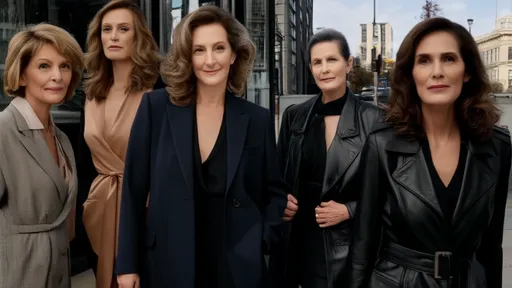
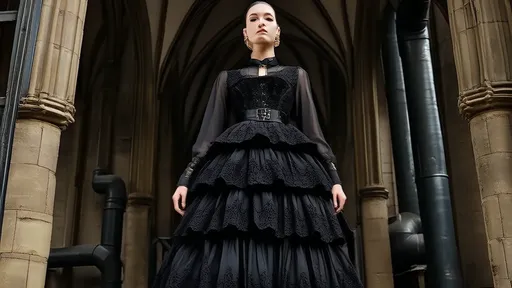
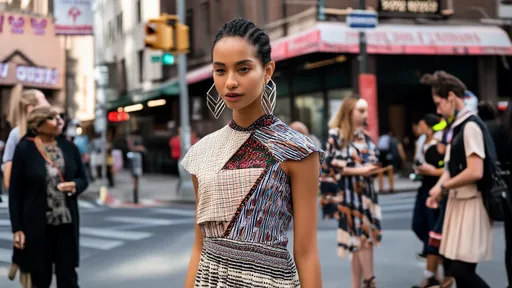
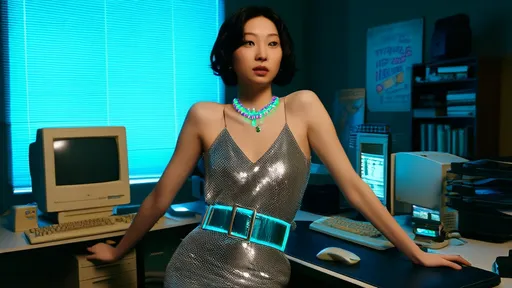
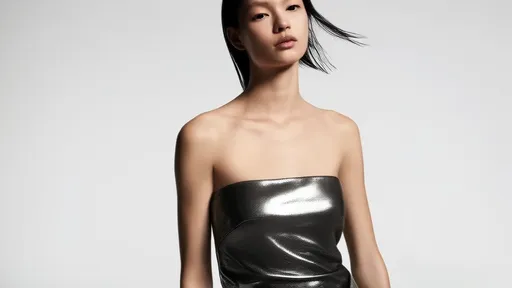
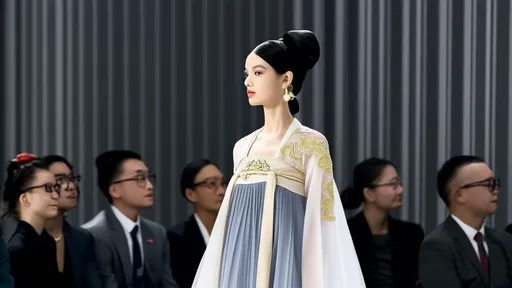
At first glance, the pairing seems paradoxical. Why would someone wear a sequin-encrusted gown or a sharply tailored suit with a completely bare face? Yet, this juxtaposition is intentional. The absence of makeup shifts the focus to the clothing, allowing fabrics, textures, and silhouettes to take center stage. Designers and stylists are increasingly embracing this approach, sending models down runways with glowing, untouched skin alongside avant-garde ensembles. The message is clear: beauty doesn’t need to be manufactured to be powerful.
Social media has played a pivotal role in normalizing the bare-faced trend. Influencers and celebrities are posting unfiltered selfies, showcasing imperfections like freckles, pores, and under-eye circles with pride. The hashtag #NoMakeup has millions of posts, many featuring individuals in lavish outfits—proving that glamour doesn’t require a full face of foundation. This movement isn’t about rejecting makeup entirely; it’s about having the choice to go without it, even in settings where bold fashion might traditionally demand equally bold makeup.
The fashion industry’s embrace of bare skin aligns with broader cultural shifts toward sustainability and minimalism. Consumers are increasingly wary of excessive consumption, whether it’s fast fashion or layers of cosmetics. A focus on skincare over makeup has emerged, with people investing in serums and moisturizers rather than concealers and powders. This "skin-first" mentality prioritizes long-term health over temporary cover-ups, and designers are taking note. On red carpets and editorial shoots, stylists are opting for dewy, natural complexions that let the clothing—and the individual—shine.
Critics argue that the no-makeup trend isn’t as inclusive as it seems. After all, flawless, blemish-free skin is still an unrealistic standard for many. However, proponents counter that the movement is less about achieving perfection and more about rejecting the pressure to conform. It’s a rebellion against the idea that women (and increasingly, men) must "put on a face" to be presentable. When paired with bold fashion choices, the bare-faced look becomes a statement of confidence: I don’t need makeup to own this moment.
What’s next for this collision of natural skin and high fashion? As boundaries continue to blur, we may see even more daring combinations—think glittering metallic dresses with completely bare, textured skin, or sharp suiting paired with undone, frizzy hair. The era of no-makeup isn’t a passing trend; it’s a cultural reset. And in a world where authenticity is increasingly valued, the most radical act of all might just be showing up as you are—while wearing something extraordinary.
By /Aug 1, 2025
By /Aug 1, 2025
By /Aug 1, 2025
By /Aug 1, 2025
By /Aug 1, 2025
By /Aug 1, 2025

By /Aug 1, 2025
By /Aug 1, 2025
By /Aug 1, 2025
By /Aug 1, 2025
By /Aug 1, 2025

By /Aug 1, 2025
By /Aug 1, 2025
By /Aug 1, 2025
By /Aug 1, 2025

By /Aug 1, 2025
By /Aug 1, 2025
By /Aug 1, 2025

By /Aug 1, 2025
By /Aug 1, 2025
