The fashion landscape has undergone a seismic shift in recent years, propelled by the democratization of style and the unprecedented reach of niche designs to mainstream audiences. What was once the exclusive domain of elite designers and luxury houses has now become accessible to a global audience, thanks to digital platforms, social media, and evolving consumer behavior. This transformation has not only redefined how fashion is consumed but also how it is created, shared, and celebrated.
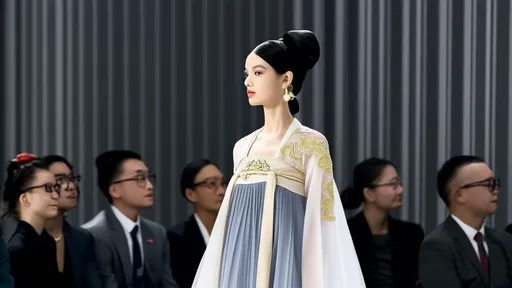
At the heart of this movement lies the blurring of boundaries between high fashion and streetwear, between avant-garde experimentation and wearable aesthetics. Independent designers and small-scale labels, once confined to local markets or insider circles, now command international followings. Platforms like Instagram, TikTok, and Pinterest have become virtual runways where micro-trends can explode overnight, propelled by influencers, celebrities, and everyday enthusiasts alike. The result is a fashion ecosystem that thrives on diversity, inclusivity, and the constant cross-pollination of ideas.
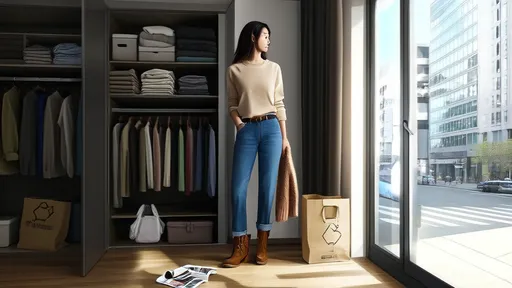
The rise of direct-to-consumer brands has been a game-changer in this democratization process. By bypassing traditional retail gatekeepers, these labels speak directly to their audiences, offering unique designs at competitive prices. Consumers no longer need to rely on seasonal collections from established houses; instead, they can discover and support emerging talent with just a few clicks. This shift has empowered designers to take creative risks, knowing that there’s a receptive audience eager for innovation.
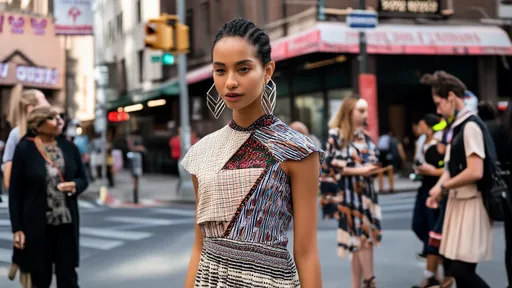
Social media algorithms play a pivotal role in amplifying niche aesthetics. A once-obscure subculture—be it cottagecore, dark academia, or Y2K revival—can gain traction globally within weeks. The viral nature of these platforms means that even the most unconventional designs can find their tribe. This phenomenon challenges the traditional top-down fashion hierarchy, where trends trickled down from couture houses to the masses. Today, inspiration flows in all directions, with street style often influencing high-fashion runways as much as the other way around.
Collaborations between small designers and larger retailers or celebrities have further accelerated this trend. Limited-edition drops featuring indie creators sell out within minutes, proving that audiences crave authenticity and originality over mass-produced conformity. These partnerships provide smaller labels with visibility while giving mainstream consumers access to exclusive, often more ethically produced pieces. It’s a symbiotic relationship that benefits all parties involved—designers gain exposure, retailers refresh their image, and shoppers acquire unique items with compelling narratives.
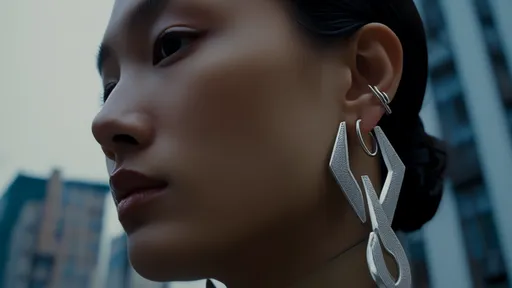
The sustainability movement has dovetailed perfectly with fashion’s democratization. As consumers become more conscious of their purchasing decisions, they’re drawn to brands with transparent practices and distinctive identities. Many niche designers emphasize craftsmanship, slow production cycles, and eco-friendly materials—values that resonate deeply with today’s shoppers. This alignment between ethical consumption and unique design has created fertile ground for small labels to thrive, even as fast fashion giants struggle to maintain relevance among discerning buyers.
Technology continues to push boundaries, enabling new forms of creative expression and distribution. Virtual fashion shows, augmented reality try-ons, and digital clothing challenge conventional notions of wearability while expanding access to cutting-edge design. Blockchain technology and NFTs have opened up novel avenues for designers to monetize their work and engage with collectors. These innovations ensure that fashion’s democratization isn’t just about reaching wider audiences but also about reimagining what fashion can be in a digital-first world.
Looking ahead, the fashion industry shows no signs of slowing its embrace of diverse voices and unconventional aesthetics. As barriers to entry continue to fall and digital platforms evolve, we can expect even more surprising design movements to emerge from unexpected places. The democratization of fashion ultimately celebrates individuality—the idea that personal style shouldn’t be dictated by price tags or prestige but by pure, unadulterated self-expression. In this new era, the most exciting trends may well come from your neighbor’s Instagram feed rather than Parisian ateliers, and that’s exactly what makes contemporary fashion so thrilling.
By /Aug 1, 2025
By /Aug 1, 2025
By /Aug 1, 2025
By /Aug 1, 2025
By /Aug 1, 2025
By /Aug 1, 2025

By /Aug 1, 2025
By /Aug 1, 2025
By /Aug 1, 2025
By /Aug 1, 2025
By /Aug 1, 2025

By /Aug 1, 2025
By /Aug 1, 2025
By /Aug 1, 2025
By /Aug 1, 2025

By /Aug 1, 2025
By /Aug 1, 2025
By /Aug 1, 2025

By /Aug 1, 2025

By /Aug 1, 2025
