The humble scarf has transcended its utilitarian origins to become one of fashion's most versatile accessories. What began as simple protection against the elements has evolved into an art form, with countless creative ways to drape, knot, and style these fabric wonders. From classic neck arrangements to innovative bag decorations, mastering scarf techniques can elevate any outfit with effortless sophistication.
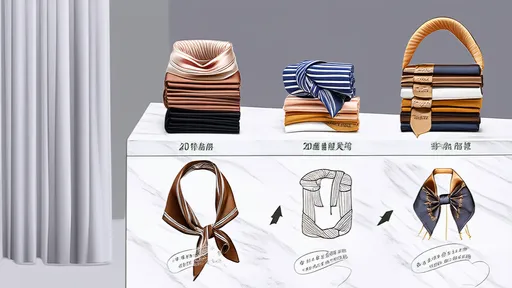
The neckline renaissance begins with foundational draping that every style enthusiast should know. The Parisian knot remains eternally chic - simply fold a square scarf diagonally, drape around the neck, and tie the ends loosely at the front. This creates instant French-girl appeal when paired with a striped Breton top and tailored blazer. For cooler days, the infinity loop provides cozy warmth while maintaining elegance; connect the ends of a long scarf with a discreet stitch or safety pin to create a continuous circle that can be doubled around the neck.
Those seeking drama should experiment with the cascade drape, where an oblong scarf hangs open down the front with one end thrown over the opposite shoulder. This works particularly well with lightweight silks that catch the breeze beautifully. When temperatures drop, the pretzel twist combines form and function - after making one loop around the neck, twist the hanging ends before pulling them through to create texture and insulation against winter winds.
Evening transformations occur when scarves meet formalwear. A satin square artfully folded into a neck bow replaces jewelry at black-tie events, while a metallic fringe scarf knotted asymmetrically at one shoulder channels old Hollywood glamour. The stole wrap, perfected by style icons like Grace Kelly, involves draping a large rectangular scarf over the shoulders and securing it with a decorative brooch for regal poise.
Day-to-night versatility shines through the convertible shawl technique. Start by wearing an oversized scarf as a daytime shawl, then refashion it into an elegant halter by crossing the ends behind your neck and bringing them forward to tie at the waist. This works wonders with pashminas and other rectangular wraps that offer substantial fabric to play with.
Headwear possibilities extend far beyond basic hair ties. The turban twist makes a bold statement - fold a long scarf into a band, wrap around the head, and tie at the crown with the ends tucked in. For a bohemian vibe, try the gypsy crown: drape a scarf over the head with equal length on both sides, then cross under the chin and tie at the crown, letting the ends flow freely down the back.
Practical yet stylish solutions emerge for bad hair days. The headband braid incorporates a narrow scarf into a regular braid for colorful texture, while the pirate twist keeps hair contained with panache - fold a square scarf into a triangle, place the long edge along the hairline, and tie the ends beneath the hair at the nape.
Bag embellishment techniques have gained prominence in recent seasons as fashionistas seek personalized touches. The handle wrap instantly refreshes tired handbags - simply weave a slender scarf through handles and tie in a delicate bow. For structured totes, try the frame knot: fold a square scarf into a triangle and tie the ends around the bag's frame corners to create a custom look.
Seasonal transitions become effortless with scarf bag accessories. In summer, tie a colorful silk around straw bag handles; when autumn arrives, swap to a wool blend knotted through leather satchel straps. The bundle technique works wonders for small crossbody bags - place items in the center of a large square scarf, gather the corners, and tie securely above the contents for an instant boho pouch.
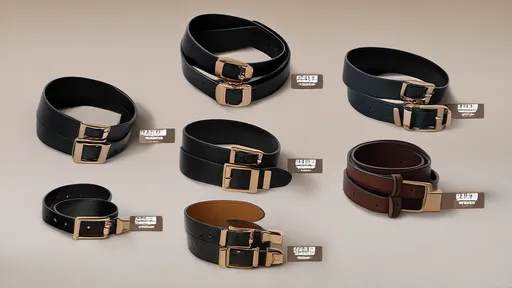
Unexpected applications demonstrate the scarf's remarkable adaptability. As a belt, it cinches waists on dresses or coats with a simple tie at the side or back. Wrapped around the wrist several times and secured with a knot, it becomes a unique bracelet. The most daring fashion innovators even use scarves as tops - a large square tied behind the neck and at the back creates an impromptu halter, while clever folding can produce stylish crop tops or bandeau styles.
The art of scarf selection proves equally important as mastering tying techniques. Lightweight silks and chiffons work best for delicate neck knots and hair accessories, while wool and cashmere blends provide warmth in winter styles. Pattern scale matters tremendously - small prints suit intricate knots, whereas bold graphics shine in simple drapes. The magic happens when texture, color, and tying method harmonize to complement an outfit's silhouette and occasion.
Cultural influences continue to inspire new interpretations of scarf styling. The Japanese obi belt technique adapts beautifully to Western fashion when a structured scarf gets tied in an elaborate bow at the back. Middle Eastern headscarf traditions inform modern modest fashion approaches, while African headwrap artistry sparks creativity in pattern mixing and voluminous shapes.
Seasonal adaptations ensure scarves remain relevant year-round. Spring calls for airy fabrics in watercolor prints tied loosely around the neck or woven through bag straps. Summer sees scarves transform into sarongs, pareos, or even lightweight shawls for breezy evening cover-ups. Autumn welcomes rich jewel tones in substantial fabrics knotted at the throat or draped over shoulders. Winter demands chunky knits and plaid wool for maximum warmth in elaborate wraps that protect against icy winds.
The true power of scarves lies in their democratic appeal - they require no specific body type, age range, or budget to style successfully. A vintage silk square from a thrift store can make as much impact as a designer cashmere wrap when tied with intention. This accessibility, combined with endless creative possibilities, ensures the scarf remains fashion's most versatile canvas for personal expression.
From runway looks to street style moments, scarves continue to demonstrate their remarkable capacity for reinvention. Whether adding a pop of color to a neutral outfit, providing warmth without bulk, or serving as an emergency style solution when other accessories fail, these fabric wonders earn their place as wardrobe essentials. The most stylish individuals understand that mastering even a few key tying techniques can exponentially increase outfit possibilities, proving that sometimes the simplest accessories offer the most creative potential.
By /Aug 1, 2025
By /Aug 1, 2025

By /Aug 1, 2025

By /Aug 1, 2025
By /Aug 1, 2025
By /Aug 1, 2025

By /Aug 1, 2025
By /Aug 1, 2025
By /Aug 1, 2025

By /Aug 1, 2025

By /Aug 1, 2025

By /Aug 1, 2025
By /Aug 1, 2025
By /Aug 1, 2025
By /Aug 1, 2025

By /Aug 1, 2025

By /Aug 1, 2025
By /Aug 1, 2025

By /Aug 1, 2025

By /Aug 1, 2025
